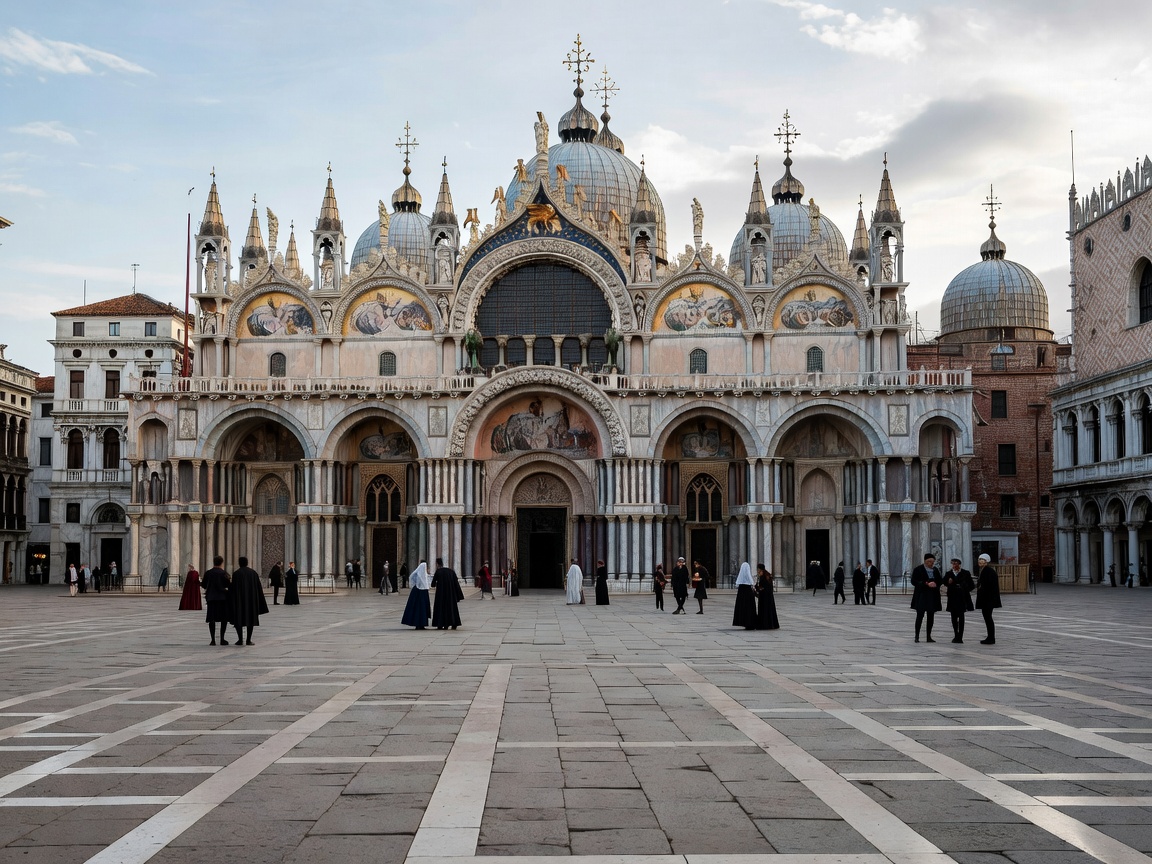
The Death of a Centuries-Old Venice Tradition
For generations, feeding grain to the thousands of feral pigeons in Venice’s iconic Piazza San Marco was a quintessential tourist postcard moment. Street vendors held official municipal licenses to sell packets of corn and seeds right beneath the shadow of St. Mark’s Basilica.
However, on May 1, 2008, the Mayor of Venice signed an executive ordinance banning both the sale of bird grain and the feeding of pigeons and seagulls across the entire municipal territory of Venice and its lagoon islands.
Pigeon droppings contain concentrated uric acid, which chemically dissolves the calcium carbonate binding marble, Istrian stone, and centuries-old Venetian mosaic mortar. Restoration estimates topped €30 per Venetian taxpayer annually simply to power-wash acid off historical facades.
Rigorous Police Enforcement Today
Uniformed and undercover officers of the Polizia Locale patrol St. Mark's Square, the Rialto Bridge, and surrounding campos. Tourists spotted scattering breadcrumbs, crackers, or corn are issued immediate administrative citations ranging from €50 to upwards of €700 for egregious or repeated offenses.
Similar municipal conservation bylaws have since been adopted in Florence (Piazza del Duomo) and Rome (Piazza di Spagna), creating a nationwide precedent for protecting Italy's open-air museums from biological degradation.